

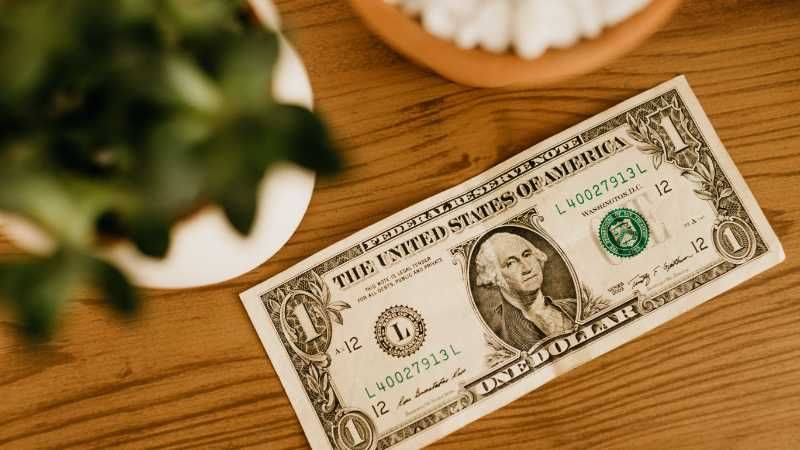
The greenback gained in the Asian market on Wednesday local time following the publication of consumer spending data in the U.S.
The dollar index, the DXY, rose 0.3 percent to 102.96, the highest since early April. It traded sideways the day before in the forex market as investors were waiting on the U.S. debt ceiling talks among the country’s top leaders.
Sterling weakened against the greenback, with the U.S. currency gaining 0.5 percent to hit $1.2422. The dollar also rose by 0.4 percent against the Japanese yen to hit a two-week high of 136.99.
The euro declined by 0.3 percent against the greenback to a six-week low of $1.0831. Last week, the index posted a 1.54 percent loss versus the U.S. dollar, the steepest decline in eight months.
The eurozone currency rallied last month as the market expected the European Central Bank (ECB) to continue raising its cash rate and narrow the gap with the Federal Reserve’s rate. ECB, however, signaled a possibility of a pause in the upcoming meeting.
In forex trading, the New Zealand dollar traded flat against the U.S. dollar at $0.6232 ahead of the country’s central bank policy meeting next week. The market expects the Reserve Bank of New Zealand to hike the interest rate by 25 basis points.
Turkey’s lira hit a new ten-week low of 19.75 versus the dollar, with analysts saying that the possibility of President Tayyip Erdogan extending his reign had put the currency under pressure.
The Thai baht, meanwhile, slipped 0.5 percent against the safe-haven dollar after previously rallying on the win of progressive parties in the national election. According to analysts, the baht will assume volatility in the coming days as Thailand enters a “protracted period of dealmaking” to form a new government.
The U.S. consumer spending in April showed a “solid” increase, supported by spending in online retailers and restaurants. The Commerce Department reported that core consumer spending — excluding automobiles, gas, food services and housing materials — rebounded 0.7 percent last month.
Analysts said the data shifted the market’s expectations on how soon the Fed would begin cutting the interest rate.
“We expect some modest further increases in the dollar as markets continue to take out pricing for rate cuts,” Commonwealth Bank of Australia strategist Joe Capurso said. “A rate hike is possible this year, though the hurdle is high.”
Interest rate cuts may not happen this year
The market anticipated the central bank to start rate cuts in September, but several Fed officials said the move would likely not happen until next year.
Chicago Fed President Austan Goolsbee argued it was “far too premature to be talking about rate cuts,” while Cleveland Fed President Loretta Mester said inflation pressures remained persistent. The Fed’s benchmark rate is currently within the range of 5.00 to 5.25 percent.
Experts have warned that maintaining high-interest rates will further limit the availability of credits for households and businesses, leading to decreased productivity and purchasing power. Since last March’s banking crisis, many lenders have also tightened their credit requirements. Mester, however, said that financial authorities had managed to contain the widespread impact of the banking crisis.
The debt ceiling crisis is another issue that will affect the dollar in the coming days. Reports suggested that U.S. President Joe Biden and House Speaker Kevin McCarthy had edged closer to an agreement to raise the country’s debt limit.
“A crushing blow to the world’s number one economy can only have negative shockwaves to the global economy, and reduce risk appetite, which would thus become a safe-haven event.”
Jane Foley, Strategist at Rabobank
Analysts said the U.S. could default on its payments as soon as next month if policymakers failed to reach a deal. Biden said any default would push the U.S. economy into a recession, negatively impacting global financial markets. Rabobank strategist Jane Foley said a U.S. recession would reduce risk appetite among investors.