

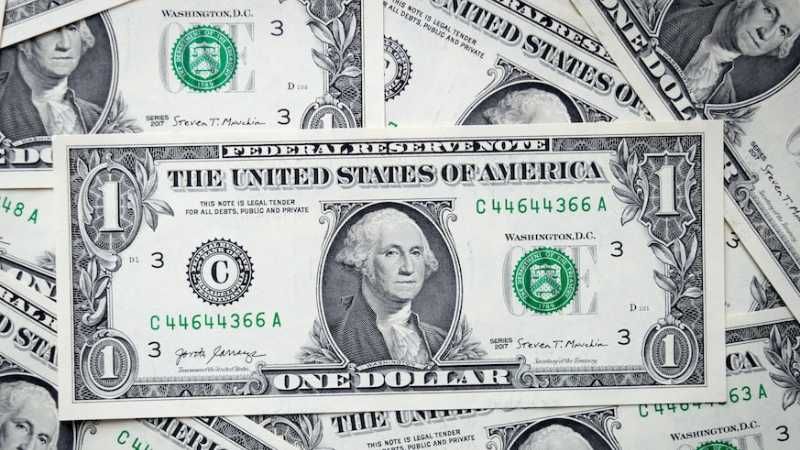
The U.S. dollar fell to a three-week low on Tuesday after the new consumer price data in the country boosted expectations that the Federal Reserve would pause interest rate hikes this month.
The DXY, an index that keeps tabs on the dollar’s value against major peers, hit the 103.04 level following the data publication. It ended Tuesday at 103.29, losing 0.3 percent. Later, the dollar index was flat in Asian forex trading.
The euro strengthened by 0.3 percent to $1.0793. It earlier climbed to $1.0824, the highest in three weeks. The market is also anticipating the European Central Bank’s policy rate decision, with analysts forecasting a 25-basis-point hike on Thursday.
Against the yen, the greenback gained 0.4 percent to trade at 140.17. Japanese financial regulators held an emergency meeting last month when the country’s currency repeatedly traded over the “critical” 140 level. Analysts believe that the steep decline in the yen’s value poses risks to the Japanese economy due to increased import costs.
Sterling breached a five-week peak of $1.2625 after a new job report showed the U.K.’s job market remained resilient, with wages increasing significantly. Investors predict that the Bank of England will raise its key rate higher than earlier estimates.
The Chinese yuan declined to a six-month low after the People’s Bank of China lowered its short-term lending rate. The currency hit 7.168 per dollar in onshore trading, the lowest since November last year. Meanwhile, the offshore yuan weakened to 7.178.
Consumer prices in the U.S. grew by four percent in May, the smallest year-over-year increase in more than two years. The consumer price index (CPI) sat at 4.9 percent in April.
CPI edged up by 0.1 percent on a monthly basis, smaller than the 0.4 percent increase in the month before. Core CPI, excluding food and energy prices, added 0.4 percent in May, or the same percentage increase for the third consecutive month.
“Clearly before this meeting, there is evidence that the Fed has tightened quite a bit. Before the bank crunch, the question was maybe we now have a higher terminal rate, or some sort of no-landing, or the hikes are not being felt, and we may have to go significantly further.”
John Madziyire, Vanguard senior portfolio manager
Vanguard senior portfolio manager John Madziyire said the consumer data showed the effectiveness of the Fed’s hawkish monetary policy. He then explained that “skipping” a rate hike would allow the central bank to further assess the impact of recent banking stress.
“But the fact that banks experienced some turmoil or mini-crisis tells us that we’re getting to the point where there is an impact from all these hikes,” said Madziyire. “From the Fed’s perspective, they want to give themselves some time to assess, so that’s why it’s probably a skip, with some data dependency.”
Fed fund futures show a 93 percent chance that the Fed will pause its rate hike campaign, keeping the benchmark rate at 5.00 to 5.25 percent. Investors yet predicted a 64 percent probability that the central bank will increase the rate next month.
Updates on Treasury yields, oil prices
The 10-year Treasury yield rose by 2.5 basis points to 3.790 percent on Tuesday, reversing its earlier decline after the CPI data. Analysts explain that the 10-year yield is sensitive to rate expectations because it is a benchmark for corporate bond and mortgage rates.
Meanwhile, oil prices edged up in Asian trading on Wednesday local time as the market awaited the Fed’s policy decision. Brent crude futures traded 0.1 percent higher to $74.38 per barrel, while West Texas Intermediate rose to $69.43. The two benchmarks previously gained over three percent, respectively, in the U.S. commodity market.
Analysts say further rate hikes by the Fed will strengthen the dollar, prompting a decline in commodity prices because many commodities, including oil, are denominated in the U.S. currency.